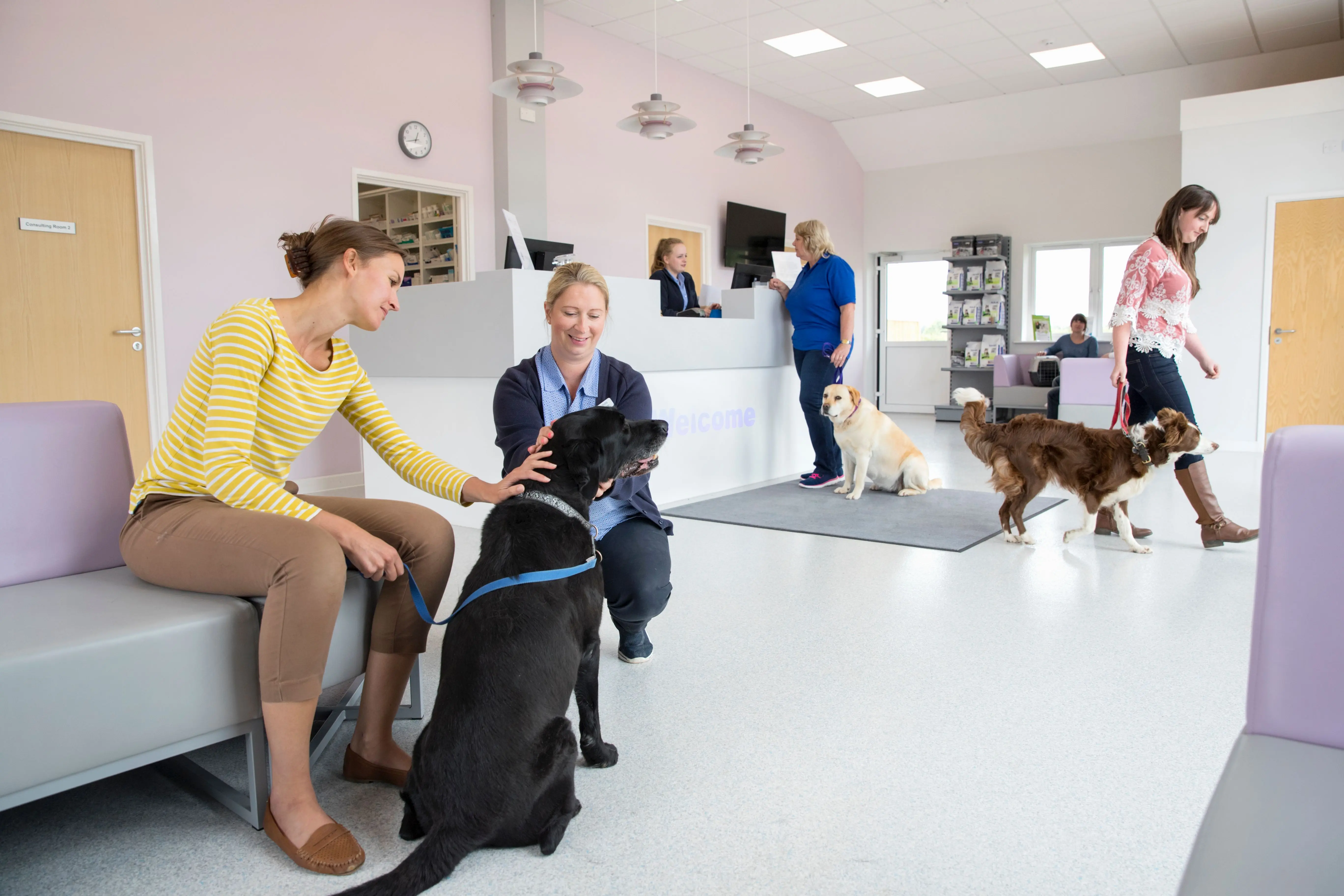
If you’ve watched a receptionist handle a difficult conversation about a bill, while managing a queue, a ringing phone and a client who’s already been through an emotional experience in the consulting room, you’ll have a sense of how much is asked of them.
The impact of those moments on client experience is already well discussed, yet the temptation to focus investment on the clinical aspects of client care can be strong. Here we explore why investing in developing the front-of-house team pays dividends, and some practical steps any veterinary team can take to help front-of-house performance.
Why does front of house communication affect client experience so much?
Research on how people remember experiences shows that we don’t remember the whole experience and average it. Instead we tend to place disproportionate weight on the end and on the most emotionally intense moment within it. In a vet practice, the front-of-house team are the usual last point of contact, and often, the payment of the bill may also be the most emotionally intense moment of the visit.
A receptionist who handles a difficult fee conversation with confidence and warmth can lift a client’s overall assessment of an experience significantly. On the flipside, if the front-of-house experience is uncertain or inconsistent, that can undermine even an experience which was good up to that point.
That means investing in a confident and consistent front-of-house experience is one of the most powerful things a practice can do. And to dial up the impact even more? That means looking beyond the desk itself, at how other touchpoints in the client journey can set those front-of-house conversations to be easier and smoother.
What can vet practice leaders do to help their reception team money conversations easier?
We often work with vet reception teams, helping them build the skills and confidence to talk about money and manage difficult conversations well. That’s all important stuff, but we always start those days by taking a look at the steps in the client journey before that, because the best thing we can do is reduce the number of difficult conversations they have to navigate. That means working upstream, before the client reaches the desk, as well as equipping the team for the conversations that inevitably do arise.
How does the consultation affect the conversation at the front desk?
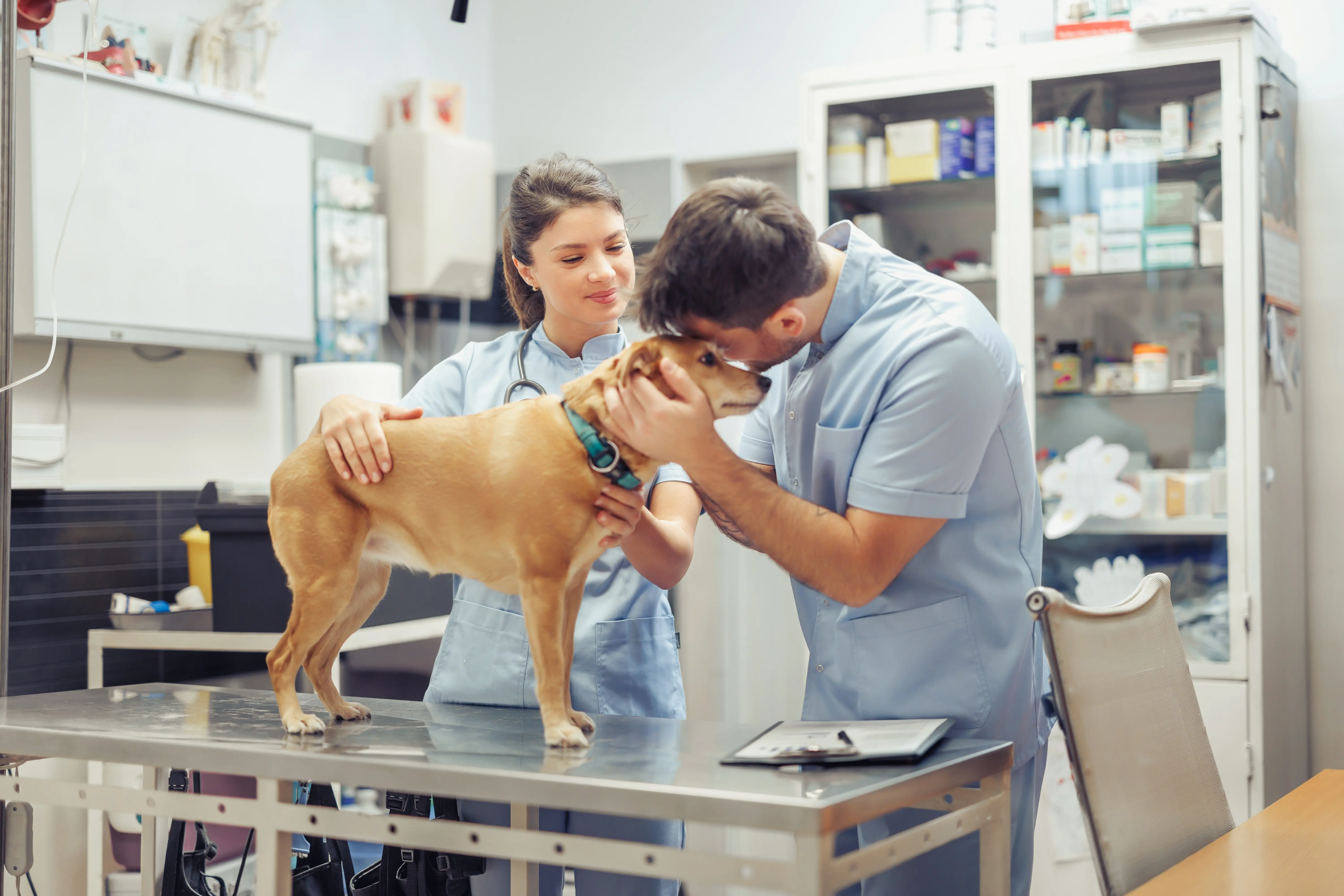
Most difficult conversations at the desk begin with something that wasn’t fully resolved in the room. A client who didn’t feel comfortable asking a question, who left unclear about why a test was recommended, or who wasn’t told how much it would all cost, will look for answers and express frustration somewhere else – usually the front desk.
Investing in consultation skills that ensure clients leave informed, clear and with space to ask questions is one of the highest-leverage things a practice can do to help the front-of-house experience by ensuring the reception team inherits a much more manageable conversation.
How can vet practices set expectations before a client arrives?
Much of the surprise that clients experience around fees can be reduced before they walk through the door. There are many touchpoints that can help support this – from the website, to social channels, and even automated SMS or WhatsApp messages. Pre-visit communications that help clients prepare for a visit and set clear expectations will give clients a frame of reference. It signals that the practice is transparent and organised, and it means that fees are not introduced for the first time at the desk.
This is increasingly relevant in the context of the CMA’s final remedies, however, practices that get ahead of this and look for ways to optimise communications, rather than just treating it as a compliance exercise, will likely find it changes the nature of the front desk money conversation considerably.
How can health plans and pre-payment reduce pressure at the desk?
Health plans are one of the most effective tools a practice has for changing the dynamic at the desk. When routine care, and especially consult fees, are spread across monthly payments, the financial transaction at the end of a visit is smaller, less frequent and less likely to feel like a shock.
The practices that get the most from health plans, though, are those that communicate the benefits well outside of the client visit. A client who understands what their plan includes, and feels the value of it between visits rather than only at the point of signing up, is far more likely to feel positive about the arrangement when they’re standing at the desk.
Pre-payment options (even partial pre-payment) for routine services and procedures help remove the payment moment from the end of the experience or at least reduce it – and framed well, can be seen as a genuine benefit to the client over the more traditional ‘pay as you leave’ approach.
How should veterinary receptionists handle difficult fee conversations?
Even with the best upstream systems, difficult conversations will still happen at the desk. What makes the difference is whether the team has the language and the confidence to handle them well.
A structured approach to tricky conversations can help to resolve them quickly and smoothly. Agreeing a consistent approach to handling the common roadblocks that arise when talking about money reduces the pressure on individual team members to construct a response from scratch when they’re under stress. Shared language (importantly, not a script) also ensures the client gets a consistent experience regardless of who they speak to.
Equally important is having a clear, agreed escalation path. When a conversation goes beyond what the desk team should be handling alone, knowing who to involve and how to make that feel like a service rather than a deflection is a skill in itself. A whole team that is coached to handle escalation consistently, calmly and warmly will manage these moments far better than one where each team member works it out individually.
The bigger picture
The reception team are the face of the practice. The way they handle difficult conversations shapes trust, influences whether clients return, and affects how people talk about their experience to others.
Investing in this doesn’t mean training the reception team to handle everything alone. It means building the systems, the skills and the culture that make their conversations easier, from the moment a client books to the moment they leave.
If you’d like an introduction to some simple, practical tools for handling difficult conversations with more confidence, our new self-paced Managing Difficult Discussions mini-course is designed for exactly this.
Looking for something more powerful? Find out more about our training programmes and our other services that enhance client experience here.